
Walking Tour in Ghent
General information
Group size
15 max
Starting time
Check our calendar!
Duration
2 hours
Price
From 39 USD
Language
English
 Walking Tour in Ghent
Highlights
- See the 1432 Ghent Altarpiece inside St. Bavo’s Cathedral, a work by Jan and Hubert van Eyck that marked a turning point in Early Netherlandish painting.
- Climb the 14th-century Belfry of Ghent, where the city’s medieval charters were once safeguarded as a symbol of civic autonomy.
- Walk through Gravensteen, built in 1180 by Philip of Alsace, and learn how it functioned as a residence, court, and prison.
Meeting point
Meet your guide at the City Pavilion. Your guide will be holding a yellow umbrella.
Itinerary
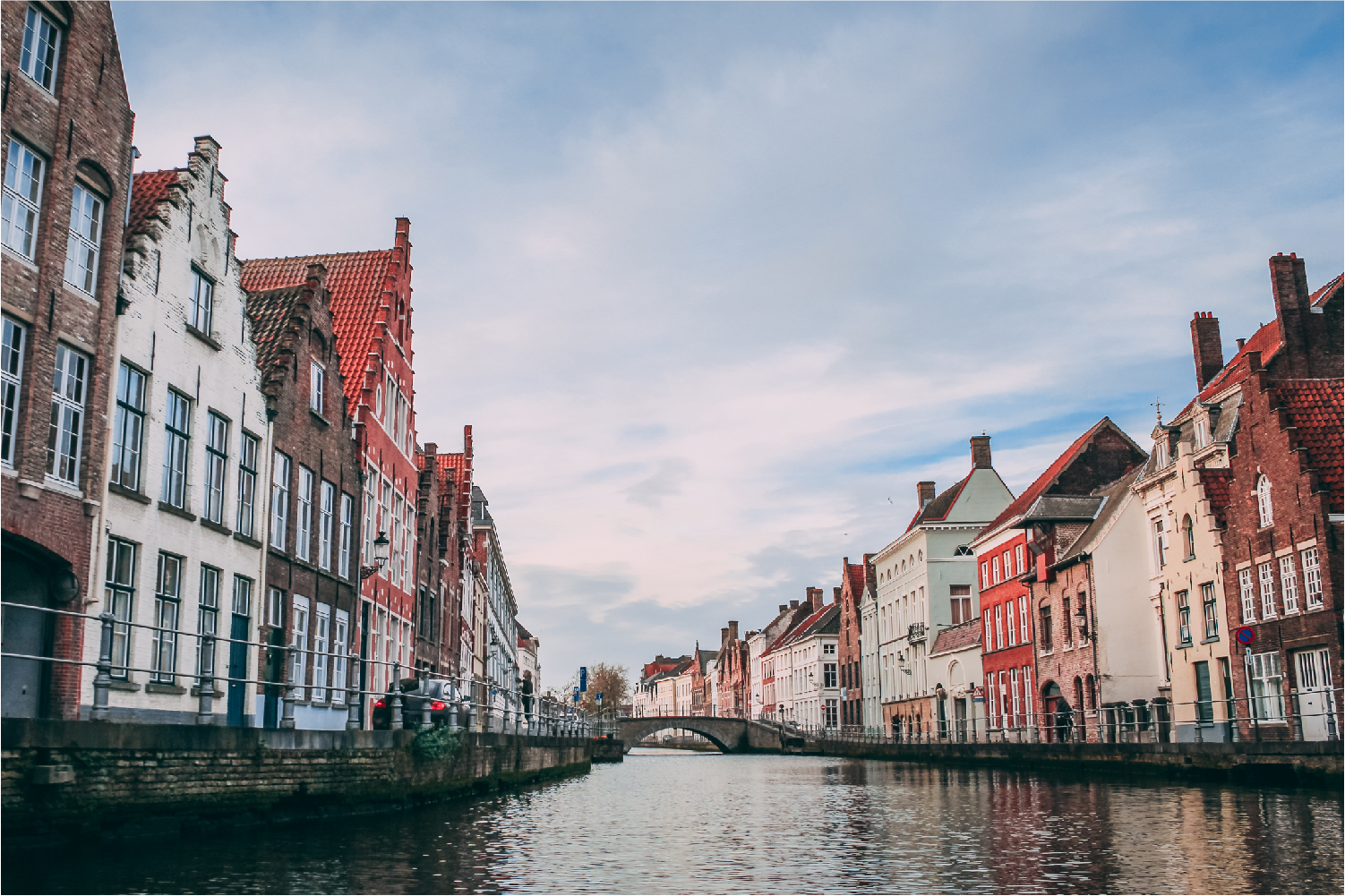
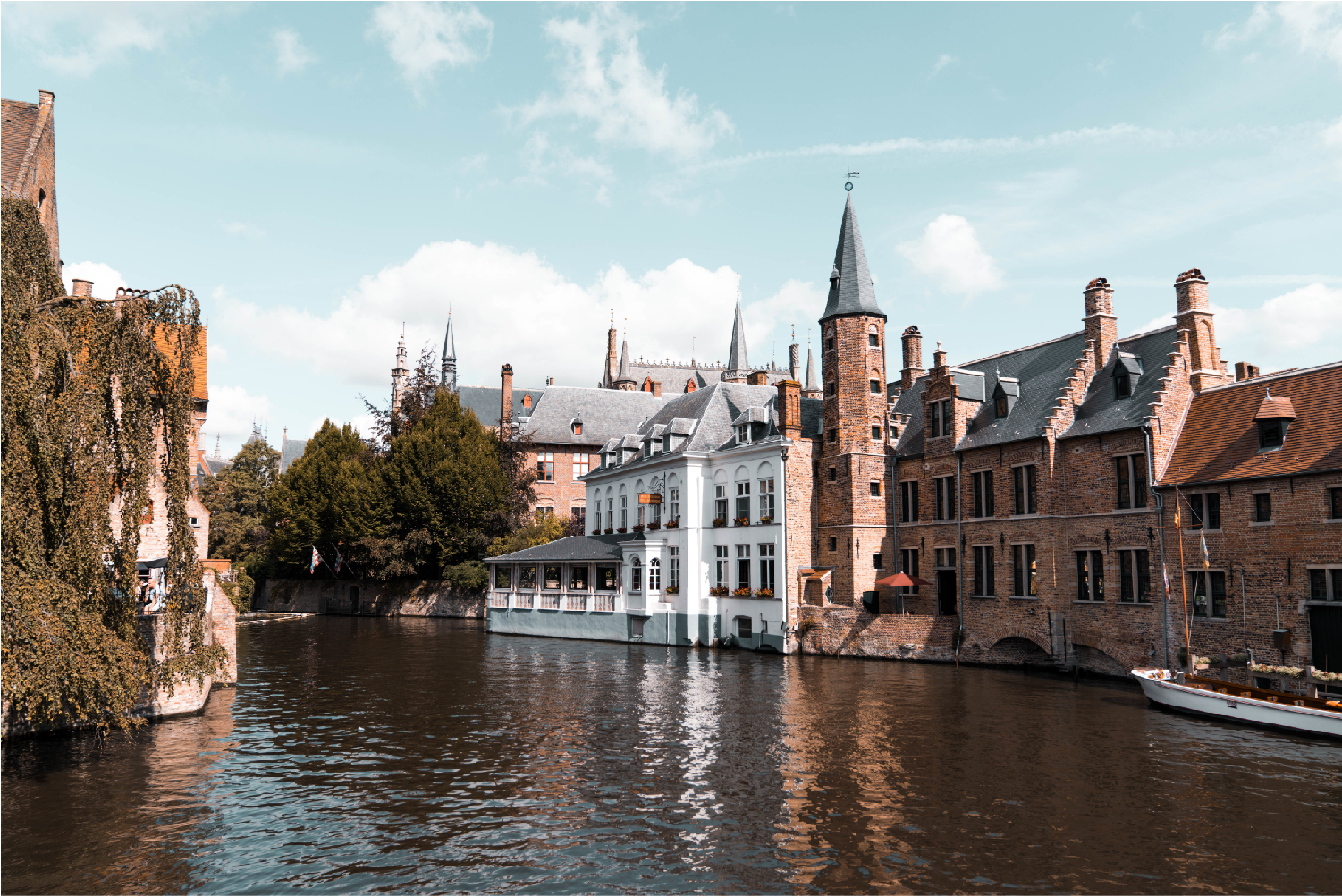
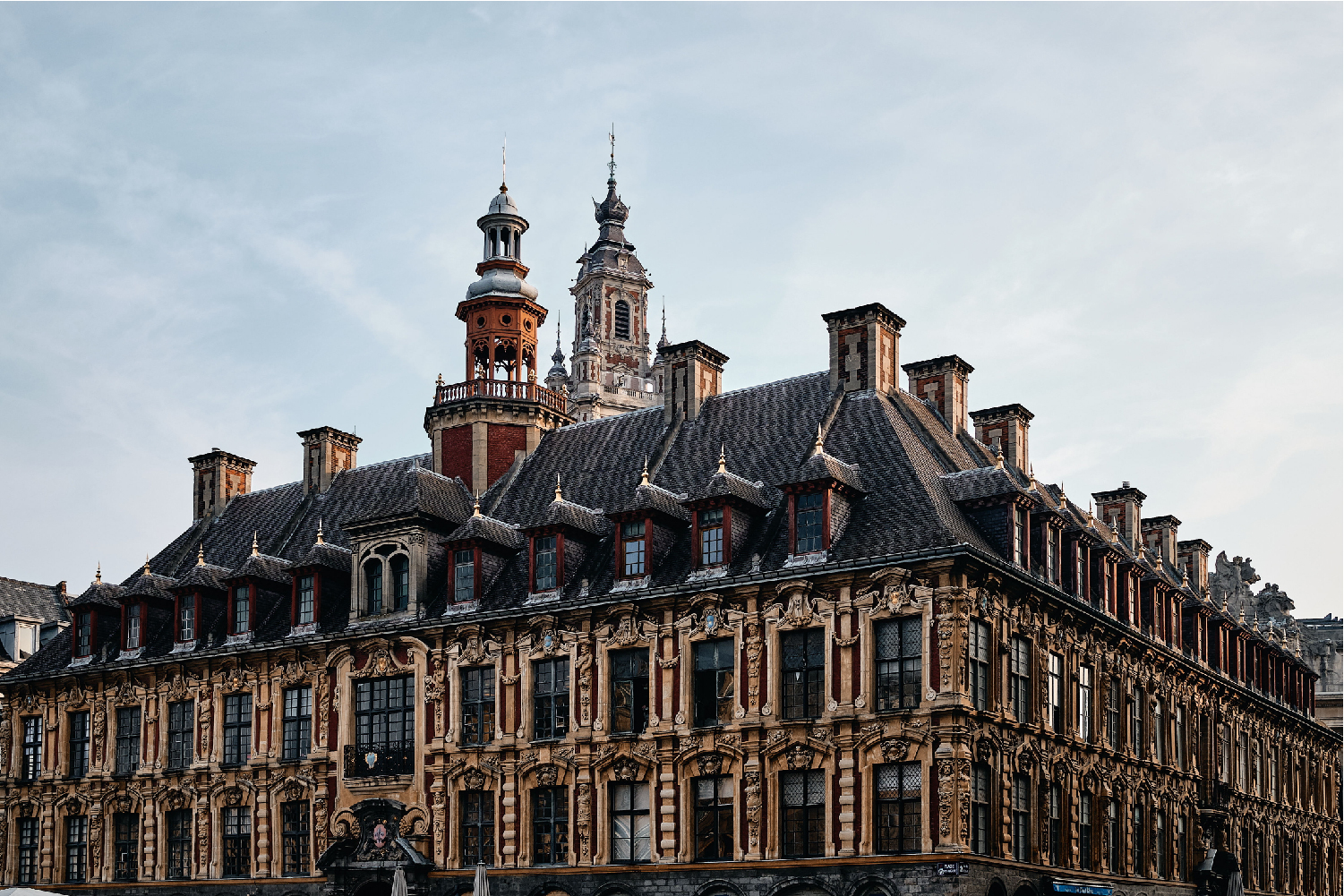
The tour begins at the Ghent City Pavilion, a contemporary open-air structure completed in 2012 and designed by Robbrecht & Daem in collaboration with Marie-José Van Hee, whose modern wooden canopy contrasts strikingly with the surrounding historic buildings. Just a short walk away stands St. Bavo’s Cathedral, originally founded in the 10th century and elevated to cathedral status in 1559 with the establishment of the Diocese of Ghent; its largely 16th-century Gothic structure houses The Adoration of the Mystic Lamb (1432) by Jan van Eyck and Hubert van Eyck, one of the most influential works of Early Netherlandish painting. Nearby rises the Belfry of Ghent, a 14th-century watchtower that safeguarded the city’s charters, alongside the 1741 Mammelokker, once the entrance to the city prison and named after a Roman legend depicted on its façade; close by, Ghent City Hall displays a blend of late Gothic and Renaissance architectural styles from its 16th- and 17th-century construction phases.
Read more...
The route continues to St Michael’s Bridge, which offers a view of the city’s three medieval towers: St. Bavo’s Cathedral, the Belfry, and St. Nicholas’ Church. From there, the group visits St Michael’s Church, a late Gothic church mainly built in the 15th and early 16th centuries; its tower was never completed according to the original plans. The walk proceeds to Dulle Griet, a café established in 1986 that is known for serving a beer called “Max” in a tall glass requiring a shoe as a deposit. The name refers to a 15th-century cannon located near the Friday Market square.
The final section takes place at Vrijdagmarkt, a square used as a marketplace since the 13th century and historically associated with public assemblies and political events. At its center stands a statue of Jacob van Artevelde, who played a political role in 14th-century Flanders during the Hundred Years’ War. The tour also includes Gravensteen, a medieval castle built in 1180 by Count Philip of Alsace. It served various functions over time, including as a residence for the Counts of Flanders, a courthouse, and a prison. Today, it operates as a museum dedicated to medieval history and justice.
Frequently asked questions
What is the maximum of participants?
The maximum of participants is 15 people.
Can I pay with something other than PayPal?
Yes, after clicking on “Pay with PayPal” and the PayPal window opens, you will see the option to pay with a debit or credit card.
Can I book a private walking tour?
Yes, you can book a private walking tour by contacting us straight via email.
Can I bring my children?
Yes, in this walking tour in Ghent everyone is welcome.
What should I bring?
Check out the weather on the day of the tour to make sure you bring an umbrella in case it’s raining. Bring comfortable shoes and a big smile 🙂